On a long July day a home array can fill a battery and still have power to spare. In a Seattle December the same roof may not fill it once. In Phoenix the gap is much smaller. Here is what the numbers look like.
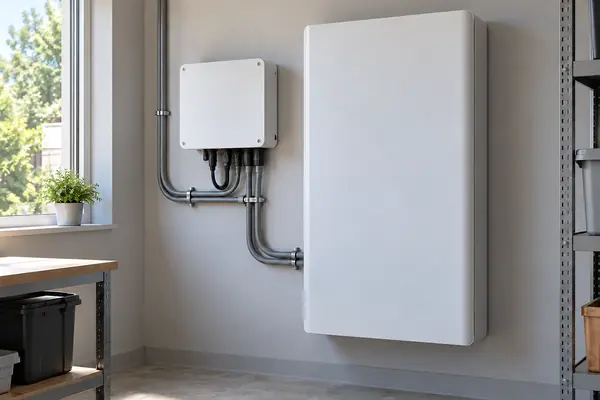
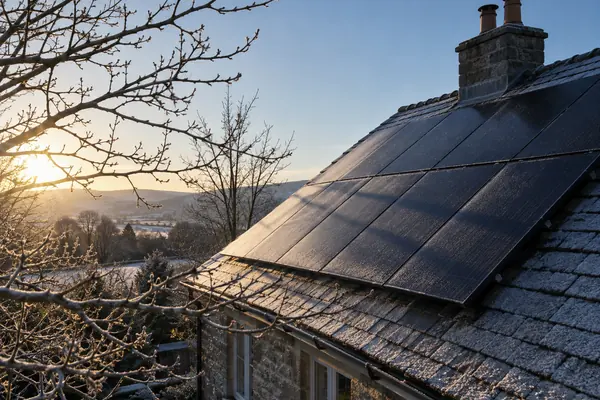
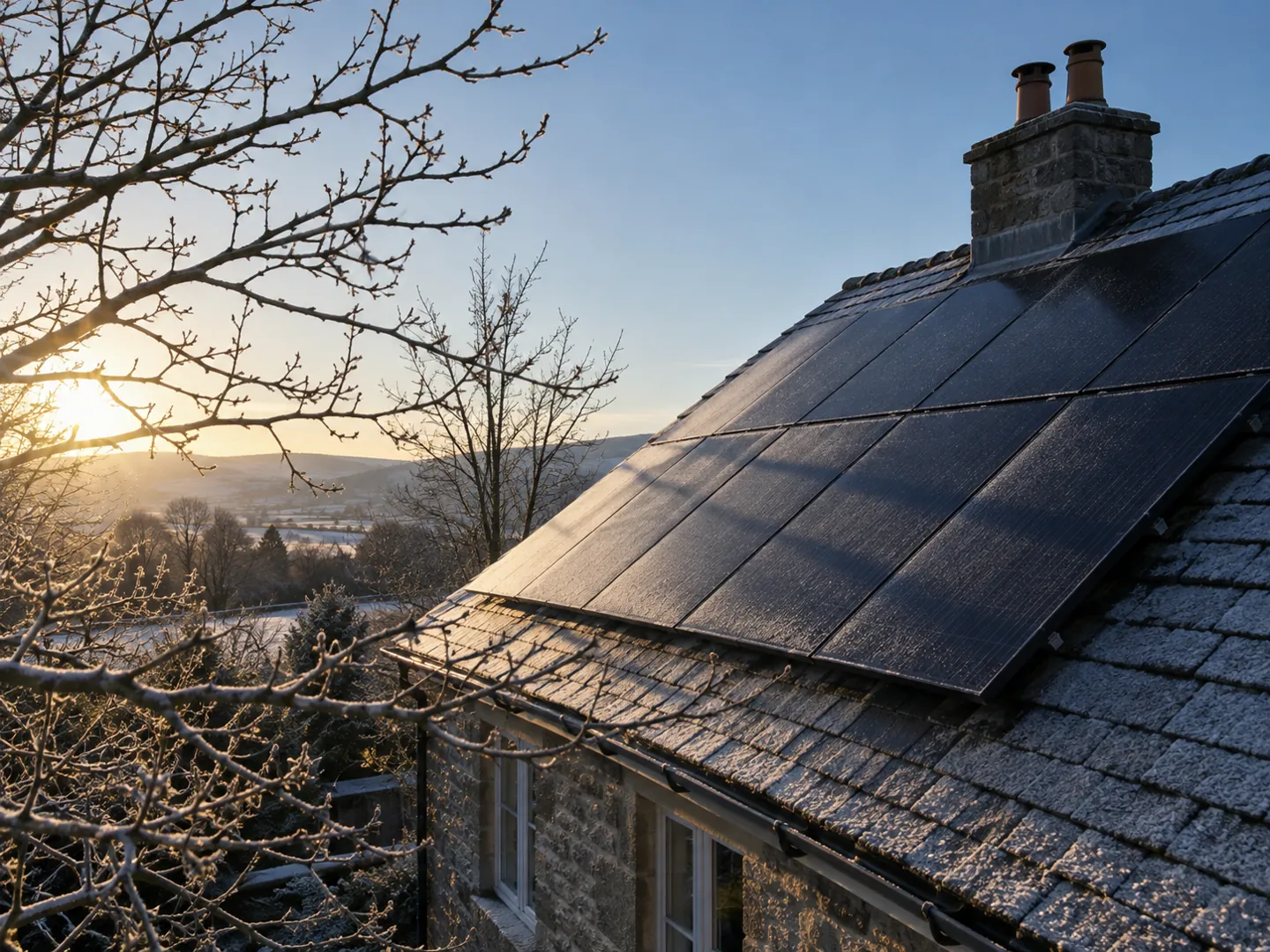
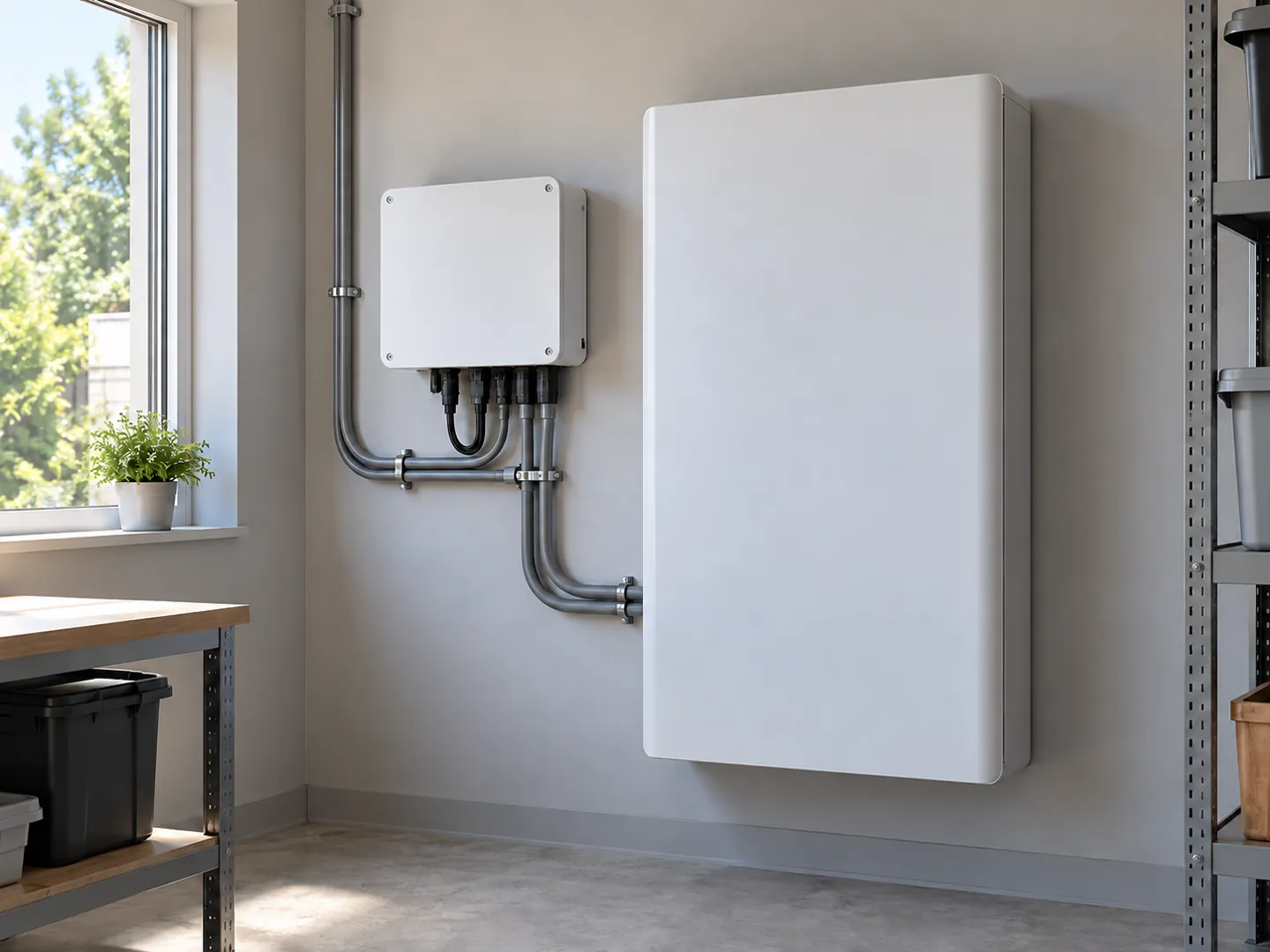
AI-generated image, not a photograph of a real person or place.
Summer: surplus
Spring and fall: close
Winter: a gap
Same roof, different year
THE SHORT ANSWER
Plenty in summer, short in winter.
Estimates for a 6 kW south-facing array at a 25° tilt, Seattle and Phoenix.
SUMMER
More than a battery can hold
In July a 6 kW array in Seattle makes about 30 kWh a day. That is more than twice the 12.5 kWh NREL uses for a representative home battery, so the extra goes to the home or the grid.
ESS News, citing NREL, advises avoiding repeated deep discharges, because deeper discharges shorten a battery's life. Systems hold some charge back for that reason.
Pick a month to see roughly what a 6 kW south-facing array makes on an average day. The bar shows output compared with a 12.5 kWh home battery.
Estimates from the EU PVGIS calculator using NREL's NSRDB solar data (2005 to 2015, 25° tilt, 14% system losses). Your roof, shading and daytime use will differ.
TWO NUMBERS WORTH KNOWING
The year is lopsided.
One figure on when Seattle's solar arrives, one on how different Phoenix is.
≈ 51%
Share of a Seattle array's yearly output, May to August
Of about 6,830 kWh a year from a 6 kW Seattle array, about half arrives in the four summer months. November to January bring under 10%.
SEASONAL SPLIT · PVGIS
≈ 10,770 kWh
Yearly output of the same array in Phoenix
The same 6 kW array in Phoenix makes about 10,770 kWh a year, and November to January still bring about 21% of it.
LATITUDE · PVGIS
Percentages are calculated from PVGIS monthly estimates for a 6 kW array at 25° facing south. Year-to-year weather can move any single month up or down.
HOW A BATTERY WORKS THROUGH THE YEAR
Store the sun, and plan for winter.
A home battery stores spare solar for later. How much spare solar there is depends on the month and on where you live.
Summer: soak up the surplus
Spare daytime solar charges the battery for the evening. When it is full, extra power flows to the grid under your utility's rules.
Winter: expect less
In northern states a December day may not fill the battery. Plan on drawing more from the grid in the dark months.
Keep a floor
ESS News, citing NREL, advises avoiding repeated deep discharges, which shorten battery life, so the system keeps some charge in reserve.
Expect some losses
NREL assumes about 85% round-trip efficiency: some energy is always lost in storing it and getting it back.
AI-generated image, not a photograph of a real person or place.AI-generated image, not a photograph of a real person or place.
WHY THE SEASONS MATTER
Tilt and a high sun.
NASA explains that Earth's tilted axis causes the seasons. When the North Pole tilts toward the Sun it is summer in the Northern Hemisphere, and the Sun's rays hit more directly than at any other time of year.
Latitude matters too. In the PVGIS estimates a 6 kW array makes about 6,830 kWh a year in Seattle and about 10,770 kWh in Phoenix, and the winter gap is far deeper in the north.
Questions
Questions people ask
Will my solar panels fill my battery in winter?
In northern states, often not from solar alone. PVGIS estimates a 6 kW array in Seattle makes about 6.2 kWh on an average December day, around half of a 12.5 kWh battery.
How much more do panels make in summer?
For a 6 kW array in Seattle, PVGIS estimates about 30.1 kWh a day in July against 6.2 kWh in December, almost five times as much. In Phoenix the gap is much smaller.
Does it matter where in the US I live?
Yes. The same 6 kW array makes about 10,770 kWh a year in Phoenix and about 6,830 kWh in Seattle, according to PVGIS estimates based on NREL solar data.
Why does my battery keep some charge back?
ESS News, citing NREL, advises avoiding repeated deep discharges, because deeper discharges shorten a battery's life. Holding a reserve also leaves some energy for backup.
How big is a typical home battery?
NREL's Annual Technology Baseline models a representative residential battery at 5 kW of power and 12.5 kWh of energy storage.